The honest answer: 7-10 years with consistent maintenance. Well-maintained machines regularly reach 15 years or more. Neglected machines - ones that skip cleaning and descaling - often develop serious problems by year 3 or 4. The difference is almost entirely maintenance, not build quality. Jura machines are mechanically sound; what kills them early is entirely preventable.
Start here if you want to protect your machine right now. These three products do the most to extend lifespan:
Jura Cleaning Tablets
Removes coffee oil from seals and the brew group. The single most important maintenance item.
Check Price →Jura Descaling Tablets
Limescale is the leading cause of thermoblock failure. Use Jura-branded tablets for correct chemistry.
Check Price →Jura CLARIS Filter
Softens water before it reaches the thermoblock. Critical in hard-water areas.
Check Price →Lifespan by Component
Not every part of a Jura wears at the same rate. This is what to expect from each major component under normal home use (3-5 drinks per day):
| Component | Expected Lifespan | Notes |
|---|---|---|
| Brew group | 10-12 years | Heart of the machine. Seals wear gradually - replaceable |
| Ceramic grinder burrs | 20,000-30,000 cups (5-8 years daily) | Long-lasting. Older steel burr models: ~10,000 cups |
| Thermoblock | Rarely fails if descaled | Most failures trace to scale buildup, not the part itself |
| Pump | 8-12 years | Scale buildup puts excess pressure on it - descaling protects it |
| Display / electronics | 10-15 years | Rarely the failure point |
| Milk system seals | 3-5 years with daily use | Replaceable. Require thorough rinsing after each session |
The brew group and thermoblock are the two most expensive components to replace. Both are almost entirely protected by regular maintenance.
What Shortens Lifespan
These five habits cause most early failures:
1. Skipping cleaning tablet cycles
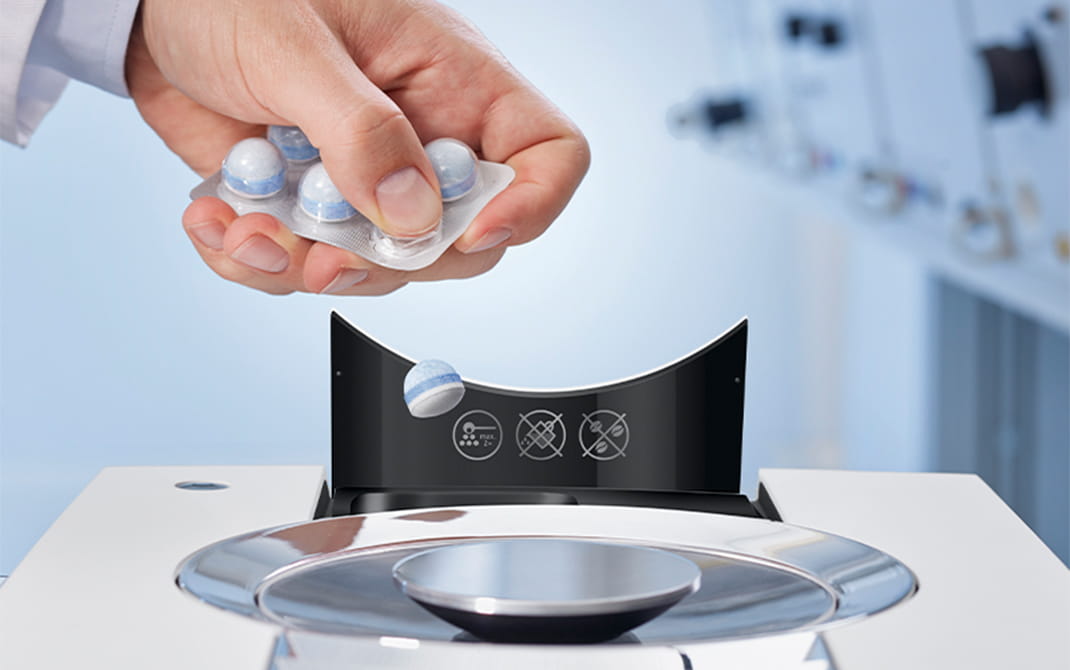
Coffee oils build up on the brew group seals, piston, and internal flow paths after every shot. Over time, hardened oil deposits create friction, cause the piston to stick, and eventually crack seals. Jura recommends a cleaning cycle every 200 brews - about monthly for a household making 5-6 drinks per day. The cycle takes roughly 10 minutes and is fully automated. There is no reasonable excuse to skip it.
2. Ignoring or delaying descaling
Limescale is the single biggest killer of Jura thermoblocks. When scale accumulates in the heating element, it insulates the heating surface, forces the element to run hotter, and eventually causes it to crack or burn out. The machine will prompt you - do not ignore it. In hard-water areas, you may need to descale every 6-8 weeks, not every 3 months.
3. Using oily or flavored beans
Very oily dark roasts and artificially flavored beans leave residue that fouls grinder burrs, clogs the bean chute, and accelerates buildup in the brew group. Medium to medium-dark dry roasts are ideal. If you prefer dark roasts, run the cleaning cycle more frequently - every 150 brews rather than 200.
4. Using non-Jura cleaning or descaling tablets
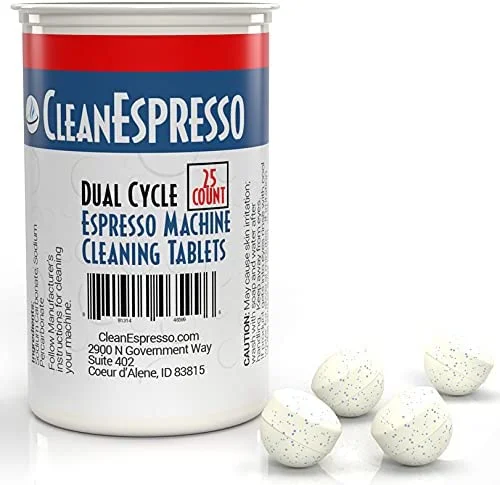
Jura’s cleaning tablets are formulated specifically for the materials inside these machines. Generic alternatives can have the wrong pH or leave residue in precision flow channels. The same applies to descaling tablets - the chemistry matters. Using the wrong product is worse than skipping maintenance occasionally.
5. Tap water without a CLARIS filter in hard-water areas
If your tap water is hard (above 7 gpg or 120 mg/L), running it straight through the machine without a CLARIS filter deposits scale much faster than the standard maintenance schedule accounts for. The CLARIS filter reduces mineral load significantly and extends time between descaling cycles. Check your local water hardness - if it is high, the filter is not optional.
What Extends Lifespan
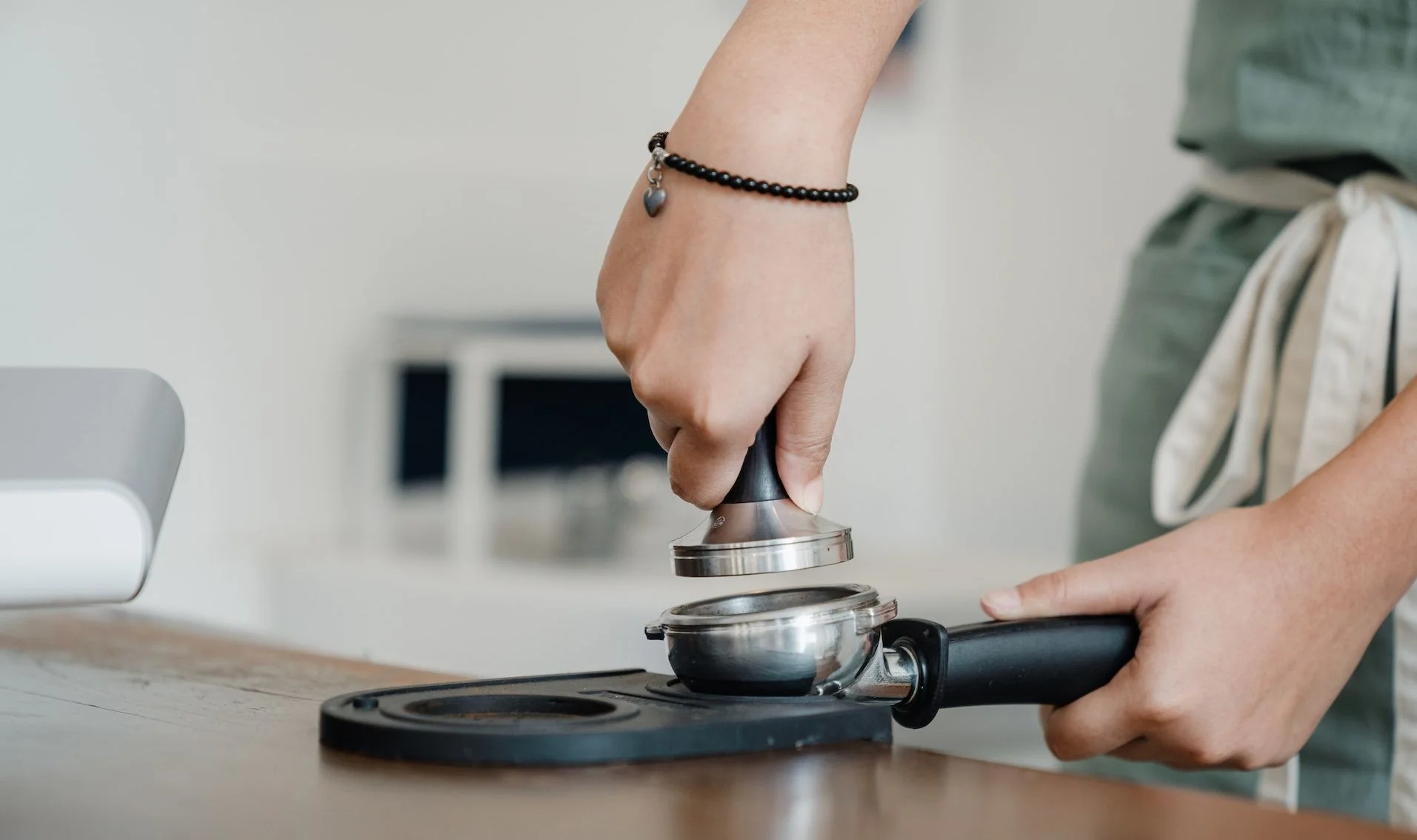
This maintenance schedule is what gets machines to 10-15 years:
| Task | Frequency | Time Required |
|---|---|---|
| Rinse milk system | After every milk session | 15-30 seconds |
| Cleaning tablet cycle | Every 200 brews (monthly in most households) | 10 minutes |
| CLARIS filter replacement | Every 2 months | 2 minutes |
| Descaling | Every 2-3 months (or per machine prompt) | 25-30 minutes |
| Brew group removal and rinse | Monthly on machines with removable brew groups | 5 minutes |
| Milk system deep clean | Every 2-3 months | 10 minutes |
The cleaning tablet cycle and descaling are non-negotiable. Everything else is a multiplier. Machines that get all five consistently are the ones that reach 12-15 years.
For a full maintenance calendar with reminders, see the Jura cleaning schedule guide.
Most Important Maintenance Item
Jura Cleaning Tablets
Every 200 brews, no exceptions. Protects seals, the brew group piston, and internal flow paths from hardened coffee oil buildup.
When to Repair vs Replace
Repair costs from Jura authorized service centers in the US typically fall in these ranges:
| Repair Type | Typical Cost | Worth It? |
|---|---|---|
| General service / diagnostics | $150-200 | Almost always |
| Brew group seal replacement | $200-350 | Yes, if machine is under 8 years |
| Pump replacement | $180-280 | Yes, if machine is under 7 years |
| Thermoblock replacement | $300-450 | Depends on machine age and condition |
| Full refurbishment | $400-600 | Only on newer or high-end models |
Decision framework:
- Machine is under 5 years old with a single issue: repair it. Jura’s service network is good and parts availability is strong for current models.
- Machine is 5-8 years old with a single contained issue (pump, brew group seals): repair is usually worth it if the rest of the machine is sound.
- Machine is 6+ years old with recurring grinder faults, thermoblock issues, AND pump problems: you are likely looking at $500-700+ in combined repairs. At that point, replacement makes more financial sense.
- Machine is over 10 years old with a major component failure: replace. Parts availability for very old models is limited, and labour costs alone often exceed replacement value.
The fill beans error is a common early symptom on aging machines - the grinder sensor or chute becomes fouled. See the fill beans error fix guide to rule out a simple fix before calling for service.
If You Are Replacing: Why the E8 Is the Right Upgrade
If your current machine is 6+ years old and developing problems, the upgrade path is clear. The Jura E8 is currently the best value in Jura’s lineup - it sits above the E6 in build quality without the price of the Z or GIGA series.
Key reasons the E8 makes sense as an upgrade:
- Ceramic G3 grinder burrs rated for 20,000+ cups - roughly 8-10 years of daily household use before showing wear
- 17 one-touch specialties including fine-foam milk drinks
- PEP (Pulse Extraction Process) for proper ristretto and espresso extraction
- Jura’s current thermoblock design with improved descaling access
- Large 64g bean hopper and 40-oz water tank for lower-maintenance daily use
Best Value Upgrade
Jura E8 - Current Generation
Ceramic burrs rated for 20,000+ cups, 17 specialties, and the best feature-to-price ratio in the current Jura lineup. Read our full review or check the current price.
Read the full Jura E8 review for a detailed breakdown of what changed versus older generations.
Model-Specific Lifespan Notes
Impressa series and older ENA models (pre-2015)
These machines regularly reach 12-15 years in households that maintained them properly. The build quality was solid, and many Impressa owners report still using them daily with no major repairs beyond a brew group seal replacement. If you own one and it is running well, keep going - there is no need to replace a functioning Impressa. For model-specific maintenance guidance, see our Jura Impressa J9 review and guide.
Current ENA, E, and S series (2018-present)
The ceramic grinder burrs introduced across current models are a meaningful durability improvement over the steel burrs in older machines. Ceramic holds its edge longer, resists heat-related wear, and does not corrode. Machines in this generation should perform well for 10+ years with the standard maintenance schedule.
GIGA series (dual-bean, dual-thermoblock)
More complexity means more potential failure points, but also more redundancy. GIGA machines are built for high-volume use and sized accordingly. With consistent maintenance, GIGA owners commonly report 10-12 year lifespans. Repair costs are higher when something does fail.
Z series
Premium build throughout. The Z10 and older Z models are among the longest-lasting Jura machines when properly maintained. The fine-foam milk system requires more attention than simpler systems, but the core espresso mechanism is very robust.
Frequently Asked Questions
Is it worth repairing a Jura that is out of warranty?
Usually yes, if the machine is under 7 years old and the repair is a single contained issue. Jura service centers charge $150-350 for most common repairs. Compare that to the cost of a new machine at $800-1,400. A single brew group seal replacement on a 5-year-old E8 is almost always worth it.
Can I still get parts for older Jura models?
Jura maintains parts availability for current-generation machines for at least 10 years from production. For older Impressa models, parts are available through Jura directly and from third-party suppliers. Very old machines (15+ years) may have limited availability for specific components.
How do I find an authorized Jura service center?
In the US, contact Jura directly at 1-800-JURA-USA or use the service locator on jura.com. Jura has authorized service partners across most major metro areas. For out-of-warranty repairs, get a written estimate before authorizing any work.
What is the most common reason Jura machines fail early?
Skipped descaling is the leading cause of early thermoblock failure. The second most common cause is skipped cleaning tablet cycles leading to brew group seal degradation. Both are entirely preventable. See the descaling guide for the correct procedure.
Does using non-Jura tablets really matter?
Yes. The chemical formulation matters for both cleaning and descaling. The wrong pH level in a cleaning agent can degrade rubber seals faster than the coffee oils would have. Jura’s tablets are calibrated for their specific materials. The cost difference over a year is small - it is not worth the risk.
Ready to Upgrade?
The Jura E8 - Built to Last
Ceramic G3 grinder burrs rated for 20,000+ cups, 17 one-touch specialties, and the best value in the current Jura lineup. If your current machine is aging out, this is the upgrade worth making.
Check E8 Price on Amazon →This post contains affiliate links. If you purchase through these links, we may earn a commission at no extra cost to you. We only recommend products we have researched thoroughly and believe are the best options for Jura owners.