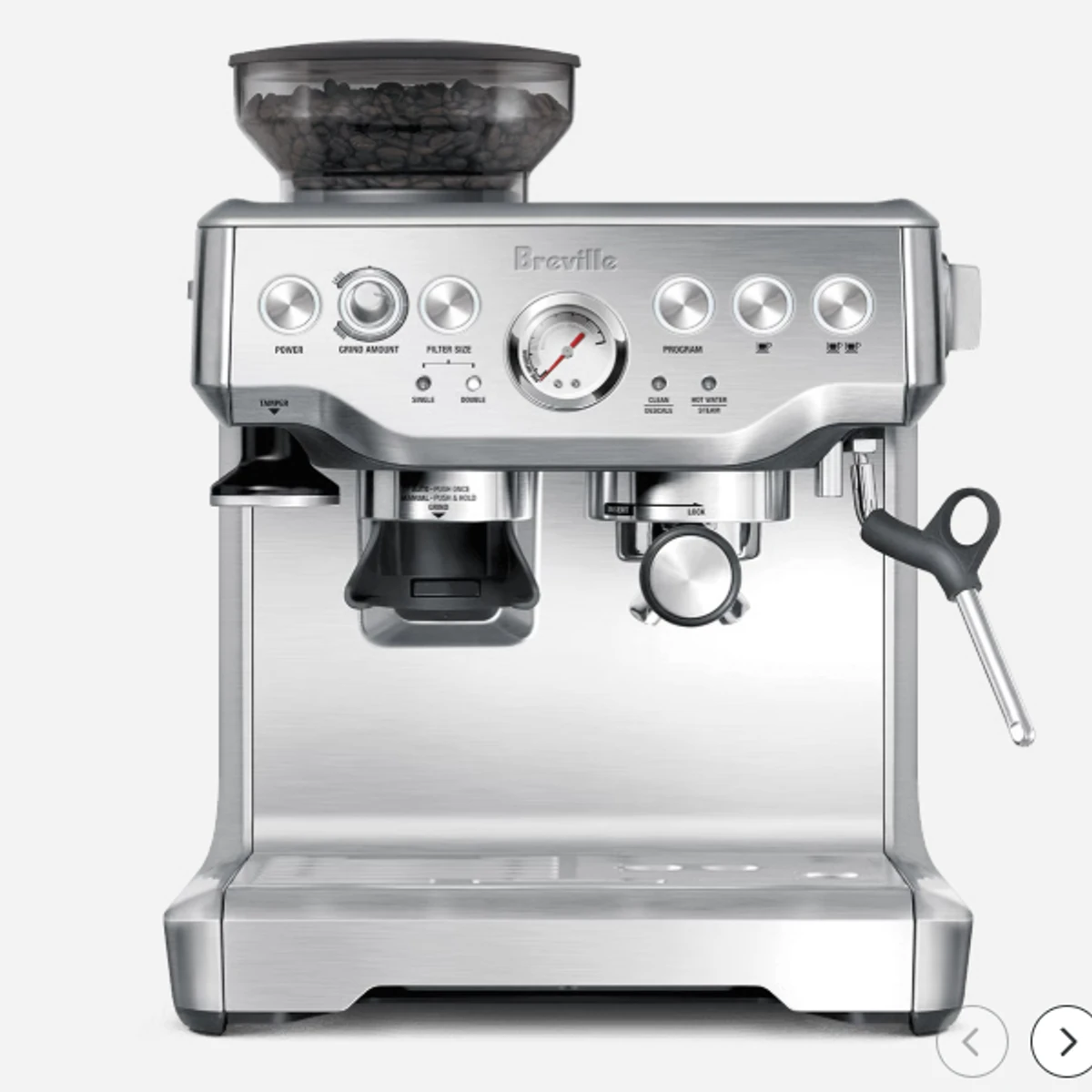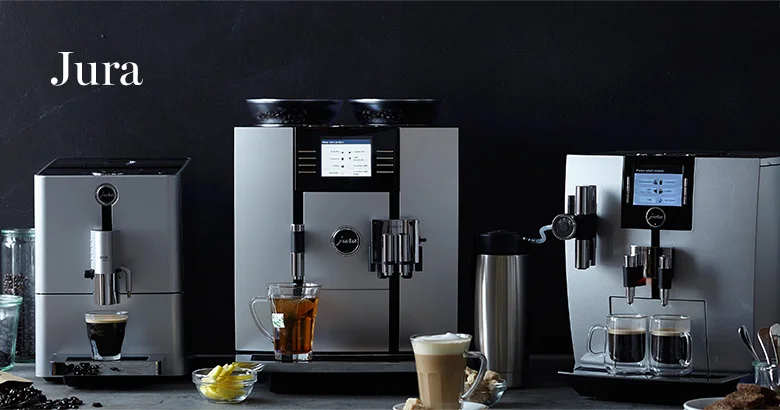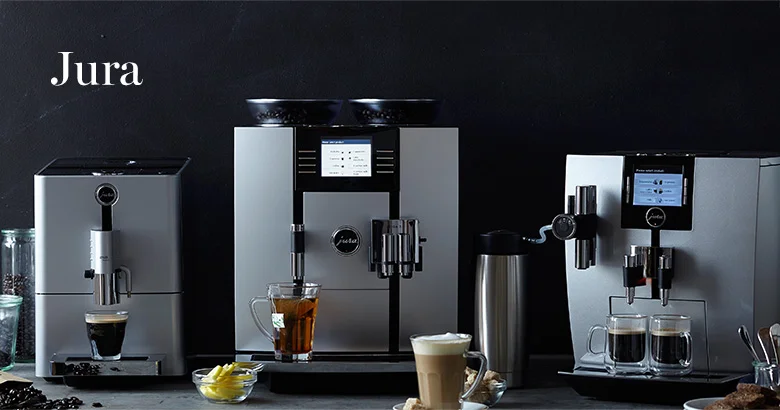
Most “Jura vs Moccamaster” comparisons miss the point. These are not competing machines. A Jura is a super-automatic espresso machine: it grinds beans and produces espresso, cappuccinos, and lattes at a button press. A Moccamaster is a filter drip brewer: it makes black coffee by the carafe, to a published brewing standard, with no pump and no milk system anywhere on the machine.
People compare them anyway, because both sit at the top of their categories and both show up when you search for “best coffee machine.” So this guide answers the question that actually matters: which product fits the drinks you drink - and what each path costs you in money and minutes over five years.
Quick Answer
If your daily order is espresso, cappuccino, or latte, only a Jura can make it - a Moccamaster brews filter coffee and nothing else. If you drink black coffee by the mug or pot, the Moccamaster is the better and far cheaper tool, with a 5-year warranty and a flat-rate repair program behind it. The cost math turns on one question: would you still buy espresso drinks at a cafe if you owned the drip brewer? If yes, the Jura usually pays for itself within two to three years. Run your numbers in the calculator below.
Two Different Products That Keep Getting Compared
Here is what each machine actually is, from the spec sheets rather than the marketing.
A Jura super-automatic (we use the E8 and the entry-level ENA 4 as reference points) contains a built-in burr grinder (the Aroma G3 on the E8, a ceramic disc grinder on the ENA 4), a pump-driven brew group that extracts espresso from freshly ground beans, and - on the E8 and up - a one-touch milk system that pulls cold milk through a frothing circuit. Every drink is brewed individually, cup by cup, seconds after grinding.
A Moccamaster is a Dutch-built filter brewer. The manufacturer states every brewer is handmade at the Technivorm factory in the Netherlands, carries a 5-year warranty, and is ECBC certified and SCA approved to meet the Golden Cup Standard - which on the KBGV Select means brewing at 196-205 F with a 4-6 minute saturation time. The flagship KBGV Select (approx. $369-389 depending on color) brews a 1.25 L / 40 oz / 10-cup carafe with an automatic drip-stop basket. The single-serve Cup-One (approx. $259-260) brews one 10 oz cup in about 4 minutes and shuts itself off 12 minutes after brewing.
Neither Moccamaster has a grinder, a pump, or a milk system. Neither Jura can fill a 40 oz carafe in one run. That asymmetry is the entire comparison.
| Machine | Approx. Price | What It Makes | Batch Size | Milk Drinks |
|---|---|---|---|---|
| Jura E8 | ~$1,399 | 27 drinks: espresso, coffee, cappuccino, latte macchiato, more | Cup by cup | One-touch, integrated |
| Jura ENA 4 | ~$800 | 4 black drinks: espresso, espresso doppio, coffee, coffee doppio | Cup by cup | None (coffee only) |
| Moccamaster KBGV Select | ~$369-389 | Filter drip coffee, half or full carafe | 40 oz / 10 cups per brew | None |
| Moccamaster Cup-One | ~$259-260 | Filter drip coffee, one cup | 10 oz per brew | None |
All prices are approximate street prices as of this writing and move often - use the price buttons on this page for current figures.
The Decision Framework: Start With Your Drink Order, Not the Machine
Forget brand loyalty for a moment. The right machine falls out of one question: what do you actually order when someone else is making the coffee?
”A latte, or a cappuccino”
You need an espresso machine with milk: Jura E8
No drip brewer can make your drink. The E8 grinds, brews, and steams milk in one button press. A Moccamaster would leave you still buying lattes at $5-7 each.
”An espresso or americano, black”
You need espresso without the milk system: Jura ENA 4
The ENA 4 is Jura’s compact coffee-only machine: real espresso from a ceramic grinder at the lowest Jura price. Paying for a milk circuit you will not use makes no sense.
”Black coffee - and keep it coming”
You need batch drip: Moccamaster KBGV Select
Two or more mugs a day, or multiple drinkers sharing a pot, is exactly what a 40 oz carafe brewed to the Golden Cup spec is for. A Jura brewing cup by cup fights your habit.
”One good black cup, then done”
Toss-up: Moccamaster Cup-One or Jura ENA 4
The Cup-One brews one excellent 10 oz filter cup for about a third of the ENA 4’s price. Choose the ENA 4 only if what you really want in that cup is espresso-style intensity and fresh grinding.
Split households are the honest complication. If one person drinks lattes and the other pours drip from a carafe all morning, no single machine covers both well. The workable answer is usually a Moccamaster for the carafe plus the coffee-only ENA 4 (or an E8 if the latte drinker wants one-touch milk) - which is exactly why we model that scenario in the cost section below.
If Your Order Has Milk In It
Jura E8 - One-Touch Espresso and Milk Drinks
27 drinks, Aroma G3 grinder, integrated milk system. The machine the Moccamaster simply cannot substitute for.
Workflow: Minutes Per Day, Honestly Counted
The two machines spend your time in opposite places. A Jura front-loads convenience per drink and charges you in periodic maintenance. A Moccamaster asks for a few minutes of setup per pot and almost nothing else.
| Task | Jura E8 | Moccamaster KBGV Select |
|---|---|---|
| Make the morning coffee | ~1 min active per drink: press button, machine grinds and brews (milk drinks draw automatically) | ~2-3 min active: fill tank, insert filter, add grounds, start; then a 4-6 min hands-off brew for the whole carafe |
| Second and third servings | Another button press per drink (~1 min each) | Zero - pour from the carafe |
| Daily cleanup | Milk-circuit rinse after milk drinks (~1 min, machine-prompted); empty drip tray and grounds container every few days | Toss the paper filter with the grounds, rinse carafe and basket (~1-2 min) |
| Weekly | Milk system deep clean with cleaning solution (a few minutes) | Nothing extra |
| Periodic | Machine-prompted cleaning cycle (~10 min, mostly watching); CLARIS filter swaps; descaling if unfiltered | Descale every 100 brews or one box of filters, per the manufacturer (~15 min, mostly waiting) |
Assumptions worth stating: the Moccamaster brew time (4-6 minutes) and drip-stop behavior come from the manufacturer’s spec sheet; the Jura workflow timings are our estimates of active engagement from the manufacturer-described operating sequence, not stopwatch tests. Two patterns fall out. For one or two individually made drinks, the Jura is faster per serving and involves no pouring or dosing. For a household that drinks four-plus cups of black coffee, the Moccamaster wins outright: one 2-3 minute setup produces 40 oz, where a Jura would need four separate brew cycles. And the Moccamaster’s simplicity is structural - with no milk circuit there is simply nothing that needs sanitizing on a schedule.
Cost Over 5 Years: Run Your Own Numbers
Purchase price is the least interesting number here. The interesting one is what your drink order costs on each path - especially the espresso drinks a Moccamaster owner keeps buying at a cafe.
Interactive Tool
Jura vs Moccamaster: 1, 3, and 5-Year Cost of Ownership
Your Habit
Your Prices
| Total Cost | Jura Route | Moccamaster Route | Difference |
|---|---|---|---|
| After 1 year | |||
| After 3 years | |||
| After 5 years |
How the math works (no black box)
- Jura route per year = all drinks (black + espresso/milk) x 365 x bean cost per Jura drink + milk cost + $70/year for care products (CLARIS filters and cleaning tablets - see our filter guide). The Jura makes every drink, so no cafe purchases.
- Bean cost per Jura drink = bean price per lb / 32 (about 14 g of beans per drink; 454 g per lb).
- Moccamaster route per year = black cups x 365 x bean cost per drip mug + $25/year for paper filters and descaler + espresso/milk drinks x 365 x your cafe price, because the drip brewer cannot make them.
- Bean cost per drip mug = bean price per lb / 22 (about 20 g per 10 oz mug, near the Golden Cup ratio the KBGV Select brews to).
- Milk cost = espresso/milk drinks x 365 x $0.20 (roughly 6 oz of milk at typical US gallon prices), counted on the Jura route only - cafe drinks already include milk.
- Total after N years = machine price + N x yearly running cost. Resale value and electricity are ignored on both sides. If you drink zero espresso drinks, the cafe term is zero and the Moccamaster wins on price - that is the honest output, not a bug.
Defaults reflect approximate figures: KBGV Select $369-389 and Cup-One $259-260 per the official Moccamaster US store, quality beans roughly $12-20/lb, and the E8 street price. The per-drink gram figures, care-product totals, and $0.20 milk estimate are our own stated assumptions. All prices are approximate and change often - sources are listed at the end of this article.
The default scenario (two black coffees plus one latte a day) is worth reading closely. The Moccamaster route starts $1,000 cheaper but bleeds roughly $2,000 a year in cafe lattes; the Jura route overtakes it before the end of year one and is thousands ahead by year five. Set the espresso drinks to zero, though, and the picture inverts: the Moccamaster route is cheaper at every horizon in the table, although the gap narrows each year - a 20 g drip mug actually uses more beans than a 14 g Jura drink, so most of the drip machine’s advantage is its lower purchase price. Neither machine is “cheaper” - your drink order decides which one is. For a deeper treatment of the Jura-vs-cafe payback math, see Is a Jura Worth the Price?, and if you are weighing pods instead of drip, our Jura vs Nespresso comparison runs the same style of model against capsules.
Closest Jura to Moccamaster Money
Jura ENA 4 - Real Espresso Without the Milk-System Premium
Ceramic grinder, four black coffee drinks, compact 10.7 in width. The budget anchor if the calculator tipped you toward espresso at home.
Where Moccamaster Wins
Being honest about this is easy, because the wins are documented rather than debatable.
- Price. At approx. $369-389 for the KBGV Select, the flagship Moccamaster costs less than half of the cheapest Jura. Add ten years of paper filters and you still have not closed the gap.
- Batch capacity. 40 oz in one 4-6 minute brew. No Jura at any price brews a shared carafe; for a multi-mug household this is not a preference, it is a capability the espresso machine lacks.
- A published brewing standard. The manufacturer states its brewers are ECBC certified and SCA approved to meet the Golden Cup Standard, brewing at 196-205 F. Jura publishes no equivalent third-party brew-spec certification for its coffee drinks - this is a genuine, verifiable point for the drip machine.
- Simplicity and failure surface. No grinder, no pump, no milk circuit, no software. There is very little to break, nothing to sanitize weekly, and no cleaning-cycle prompts. A guest can operate it without instructions.
- Repairability. Moccamaster sells replacement parts directly, states it keeps making parts for discontinued models for many years, and runs a flat-rate $99 US repair service covering parts, labor, and shipping both ways. Jura’s US service is mail-in and typically costs considerably more per incident.
- Warranty. 5 years from the manufacturer, handmade in the Netherlands. Jura’s standard US household coverage is 2 years or 6,000 brewings, whichever comes first - less than half as long, on a machine costing two to four times more.
Where Jura Wins
- It makes the drinks a drip brewer cannot. Espresso, cappuccino, latte macchiato, flat white - the entire category of drinks most people actually pay cafes for. This is the whole reason to spend Jura money.
- Fresh grinding, per cup. A Jura grinds whole beans seconds before extraction with its built-in burr grinder. With a Moccamaster you either buy pre-ground (stale faster) or buy and operate a separate grinder - added cost, counter space, and a daily manual step the spec sheets rarely mention.
- Per-cup freshness at odd hours. A carafe brewed at 7 a.m. is a compromise by 10 a.m., even on a good hotplate. A Jura brews cup thirty exactly like cup one, whenever it is requested.
- One-touch milk. On the E8, milk drinks are a single button press, with the machine handling frothing, sequencing, and rinse prompts. The drip-machine alternative is a separate frother and hand assembly for every latte.
- Customization. Grind coarseness, strength, volume, and temperature are all adjustable per drink on a Jura. A Moccamaster intentionally has almost no controls - correct by design, but fixed.
- The long-run cost when your order includes espresso drinks. As the calculator shows, home-made lattes at bean-and-milk prices beat cafe prices so decisively that the Jura’s purchase premium usually disappears inside two to three years.
Frequently Asked Questions
Can a Moccamaster make espresso or lattes?
No. Every Moccamaster is a filter drip brewer - hot water dripping through a paper filter, with no pump, no pressure, no steam wand, and no milk system. It cannot produce espresso, crema, or any milk-based espresso drink. If those are your drinks, you need an espresso machine.
Can a Jura make regular drip-style coffee?
A Jura’s “Coffee” drink is a longer, milder extraction from freshly ground beans, and most owners treat it as their drip substitute. What no Jura can do is brew 40 oz into a carafe in one run. If your household empties a pot every morning, the batch brewer fits the habit; if you drink one long coffee at a time, the Jura covers it. Our older guide on choosing a drip coffee maker covers the carafe-machine basics.
Is a Moccamaster worth it over a cheap drip machine?
Its case rests on documented specifics rather than vibes: the manufacturer’s SCA/ECBC Golden Cup approval (196-205 F brew water on the KBGV Select), handmade construction in the Netherlands, a 5-year warranty, directly sold replacement parts, and a flat-rate $99 US repair program. You are paying for brew-spec correctness and repairable longevity, not features.
Which is cheaper over five years?
For black coffee only: the Moccamaster - mostly on purchase price, since per the calculator’s assumptions a 20 g drip mug uses more beans than a 14 g Jura drink, so the gap narrows a little each year. If your order includes daily espresso or milk drinks, the Jura - a single daily cafe latte costs more per year than a Jura’s entire bean-and-maintenance budget, which is why the calculator’s default scenario flips to Jura before year one ends.
Should a split household own both?
It is a legitimate setup: a KBGV Select carafe for the drip drinkers plus a Jura for the espresso drinker. Pairing the Moccamaster with the coffee-only ENA 4 keeps the combined spend near the price of an E8 alone; go E8 instead if the espresso drinker wants one-touch milk.
Still Deciding?
Read the Full Jura E8 Review
If the framework above pointed you at espresso and milk drinks, the E8 is the machine to evaluate seriously: espresso quality, milk workflow, maintenance reality, and 5-year ownership costs.
Read the Jura E8 Review →For how Jura stacks up against other brands beyond Moccamaster, see our full competitor comparison guide.
All machine prices are approximate street prices that change frequently - use the price buttons on this page for current figures. SCA/ECBC certification wording is the manufacturer’s own statement from its product pages. Calculator assumptions (14 g of beans per Jura drink, 20 g per drip mug, $70/year Jura care products, $25/year Moccamaster filters and descaler, $0.20 of milk per milk drink) are our own estimates, stated in full in the calculator’s formula box. Jura workflow timings are our analysis of the manufacturer-described operating sequence, not hands-on stopwatch tests. Specifications last checked: July 2026.
Espresso and Milk, One Touch
Jura E8
Built-in grinder, HP3 milk system, 27 one-touch specialties.
Check E8 Price on Amazon →SCA-Certified Batch Drip
Moccamaster KBGV Select
Handmade in the Netherlands, 1.25 L carafe, 5-year warranty.
Check Price on Amazon →As an Amazon Associate, we earn from qualifying purchases at no extra cost to you.